
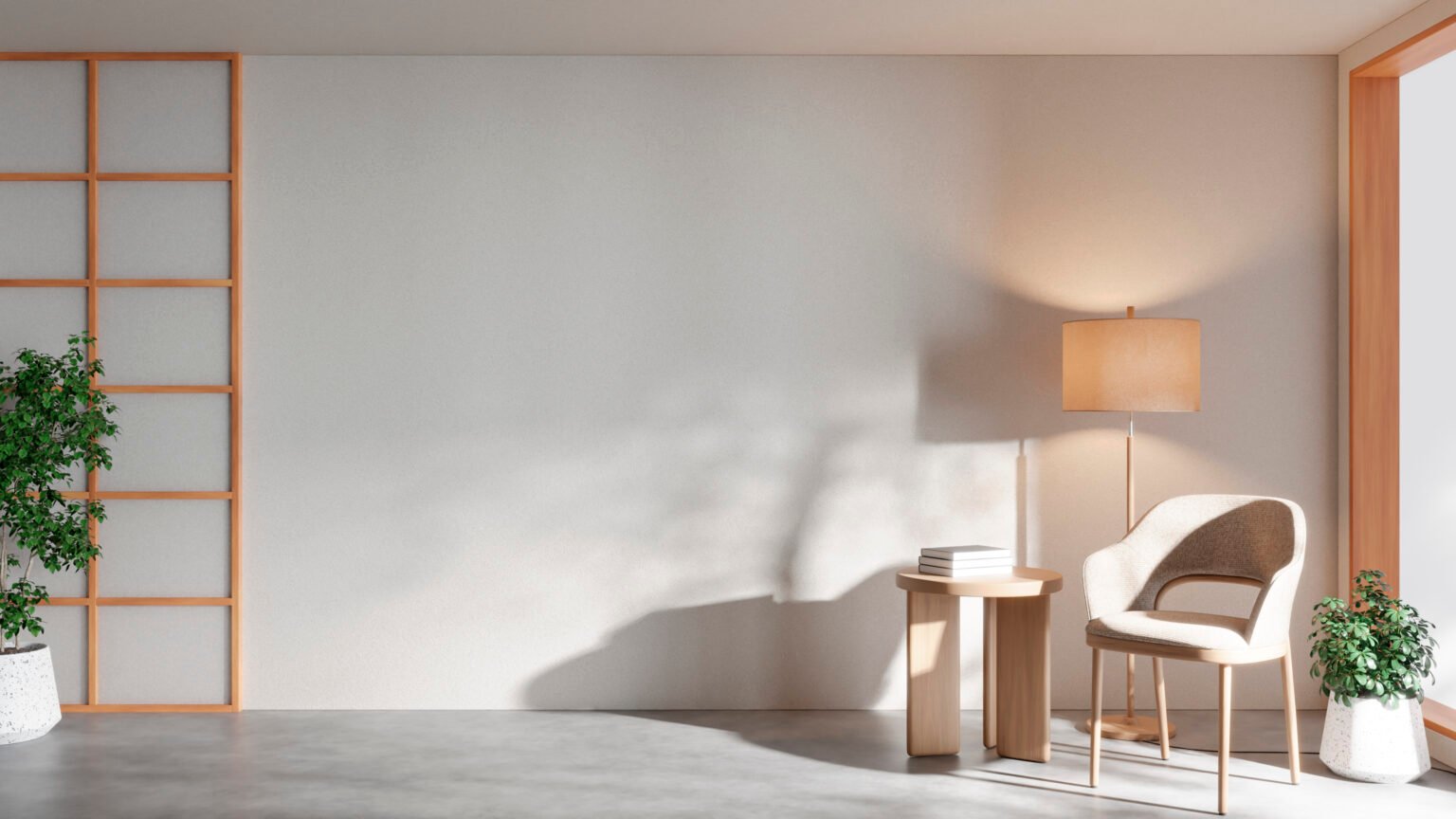
To choose an armchair, start with what you will do in it, who will use it and where it will stand. A chair for reading every evening needs a different assessment from an occasional seat that is mainly there for visitors.
For a living room, bedroom or quiet corner in your Cyprus home, consider the usable seat and the complete footprint together. A compact-looking chair can have a surprisingly deep frame, while wide arms can take up floor space without giving you a wider seat.
Decide what the chair needs to do
For reading, think about your normal sitting position, the support you prefer and the position of a reading light. For conversation, consider how the chair faces other seats and whether it encourages the arrangement you want. For occasional use, weigh everyday floor space against the extra seating you need when guests arrive.
Write down the main purpose before comparing styles. It makes it easier to judge whether an attractive chair actually solves the need, particularly when choosing between a low lounge chair, an upright upholstered chair or a compact accent piece.
Compare overall dimensions with the space you sit in
Check the overall width, depth and height first. Then ask about the usable seat width, seat depth and seat height. These describe different things: a broad frame or thick cushion edge may make the furniture look larger without making the sitting area more generous.
If possible, sit in the chair or an agreed representative sample. Settle into your normal position, rest your arms and notice whether the seat and back feel right together. Try standing up again as well. Comfort is personal; one set of dimensions will not suit everyone.
If several people will use the chair, involve them in the choice. For a bespoke piece, describe what you like and dislike about a chair you already use. Its measurements and photographs can give the maker a more useful starting point than a request for something simply “comfortable”.
| Check | What to look at |
|---|---|
| Overall size | The full frame, including projecting arms, legs and back. |
| Usable seat | The sitting space between the arms and in front of the back cushion. |
| Support and position | How the seat, back and arms feel together when you sit normally. |
| Movement | Any swivel, recline or footstool space required in everyday use. |
Plan the footprint in its intended position
Mark the chair’s full outline on the floor and check the route around it. Include a side table, lamp or footstool if those belong in the arrangement. A chair that fits on its own may leave too little room once the useful supporting pieces are added.
For a swivel or reclining model, ask for the space needed through its complete movement. Check nearby walls, curtains and other furniture. Do not judge the fit only from the chair’s closed or forward-facing position.
Our room measurement guide helps you record openings and fixed features. If the chair is part of a larger shared space, the open-plan layout guide explains how to keep the main routes clear.
Look at the relationship with the sofa
An armchair can complement a sofa without using exactly the same fabric or frame. Compare the height of the backs, the size of the arms and the visual weight of both pieces. Look at them from the room entrance as well as from the sitting area.
A high-backed chair can become a prominent feature. An open timber frame may allow more of the room to remain visible. Neither is automatically the better choice: assess the effect beside the furniture you are keeping and against the amount of space available.
Bring a photograph and dimensions of the sofa when discussing the chair. Include any table that will sit between them, so its position and usable surface can be considered at the same time.
Choose finishes for how the chair will be used
Review upholstery and frame finishes together. Check the fabric in the room’s lighting, ask for its cleaning instructions and record the exact reference. Our upholstery fabric guide explains how to compare samples, wear information and maintenance requirements.
If the chair will stand near glazing, describe that position to the supplier when choosing the finish and fabric. For a bedroom chair that will also hold clothing or bags, be realistic about its everyday role and the floor space it occupies.
A useful armchair shortlist
- Main purpose and the people who will use it.
- Overall dimensions and usable seat measurements.
- The space needed for movement and nearby furniture.
- Approved fabric and frame finish references.
- Delivery access and the agreed care instructions.
Compare available pieces with a bespoke brief
Artifex by Pegasios in Mesogi, Paphos, works with both catalogue furniture and bespoke furniture enquiries. Ask which available pieces meet your brief first, and whether bespoke design is appropriate if a particular size, detail or combination of finishes is needed.
Keep the comparison specific. An existing piece may already provide the comfort and scale you want. A bespoke discussion should explain the requirement that needs to be addressed, with the proposed specification and quotation agreed before proceeding.
Frequently asked questions
How do I know whether an armchair is too big for a room?
Check its full outline alongside the other furniture and the routes people use. Include space for any swivel or recline movement, a footstool and access to nearby doors or storage.
Should an armchair match the sofa?
It can, but it does not have to. Compare proportions and choose a clear relationship through colour, texture or frame finish rather than assuming every detail must match.
Is a deeper armchair always more comfortable?
No. The useful depth depends on the person, their sitting position and the seat and back construction. Try the chair where possible and compare it with one you already find comfortable.
What should I bring when discussing a custom armchair?
Bring room photographs, the available footprint, dimensions of nearby furniture and examples of chairs you find comfortable. Add your preferred finishes and the main purpose of the chair.
Discuss an armchair for your home with Artifex by Pegasios. A photograph of its intended position is a useful place to start.