
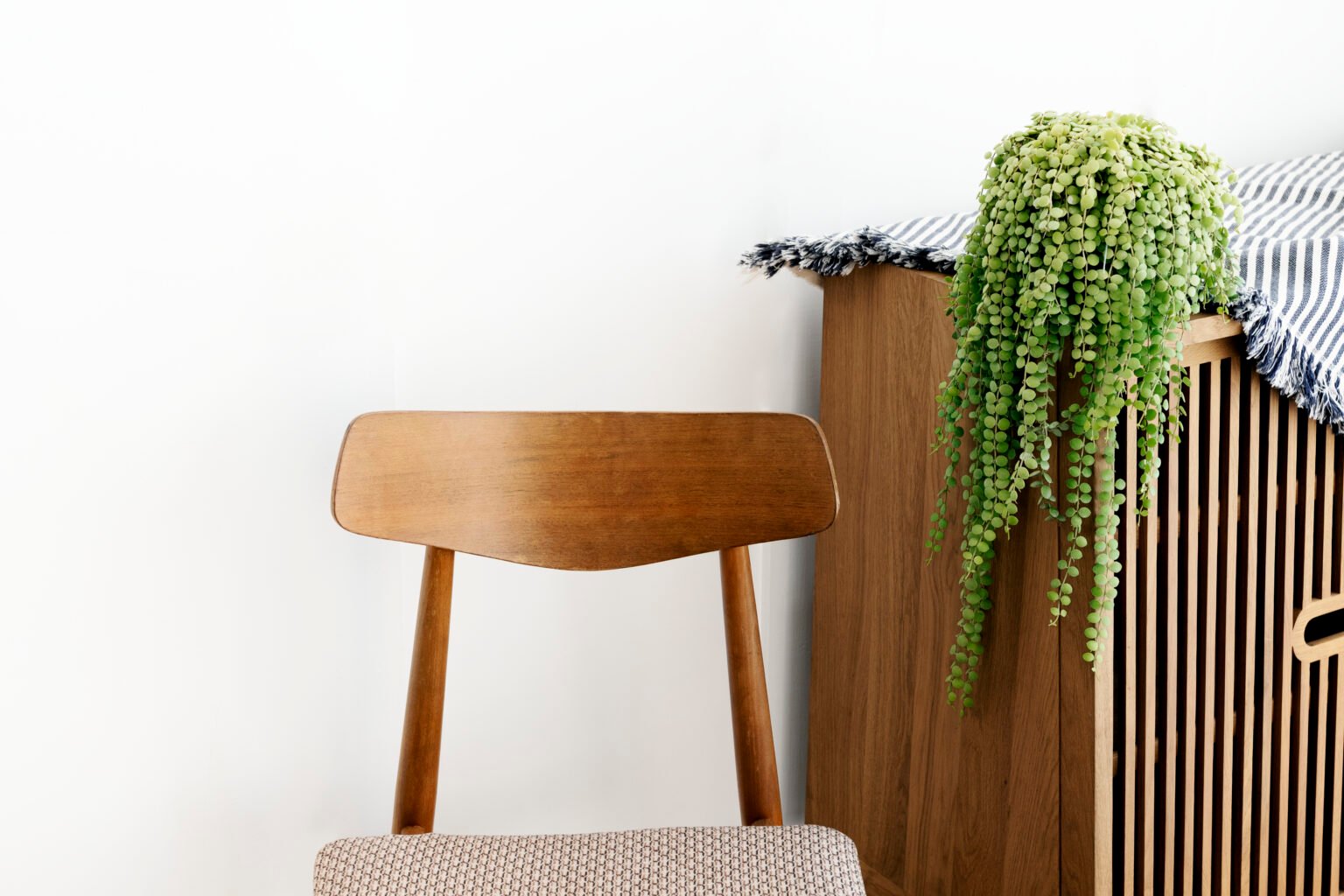
Solid wood, veneer or MDF? The useful answer starts with what the furniture needs to do. A visible tabletop, a painted cupboard door and the interior of a storage unit can call for different material decisions.
For a bespoke project, ask about the structure, surface and finish separately. This makes it easier to compare proposals and understand why a material is recommended. A photograph of the finished piece rarely tells the whole story.
Solid wood: look at the species and construction
Solid timber brings grain and natural variation through the material. Ask which species is proposed, which components will use it and how the design accommodates normal movement.
Wood exchanges moisture with its surroundings, which can affect its dimensions. Drying and moisture control are therefore part of sound material preparation; they do not make wood unchanging. The US Forest Service’s guidance on moisture and dimensional changes explains this relationship.
For your project, discuss the room’s conditions, the finish and the appearance you prefer. A sample can help you decide whether pronounced grain and variation are welcome features.
Veneer: distinguish the surface from the core
Wood veneer is a thin layer of real wood applied to a supporting material. It is different from a printed wood-effect surface. A veneered piece should be described by both its face veneer and its underlying construction.
Ask about the core, the treatment of edges and how adjoining panels will look together. Grain direction can make a large difference to the appearance of a run of doors or a broad tabletop.
If future refinishing matters to you, raise it at the design stage. Do not assume a veneered surface can be sanded in the same way as a thick solid-timber component.
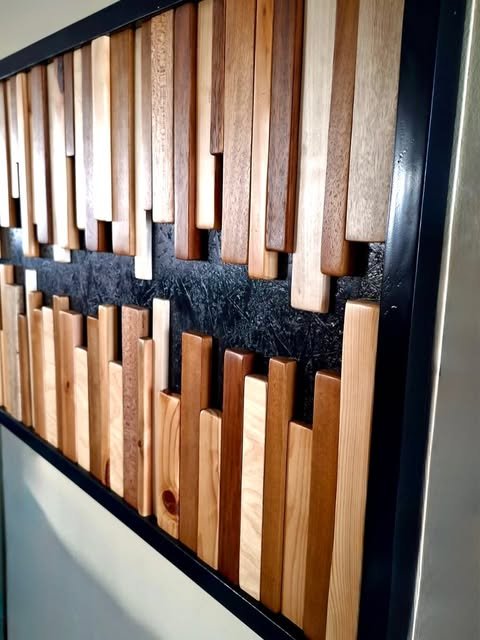
MDF and other panels: specify the actual product
MDF is a wood-fibre panel used in a range of furniture applications, including painted components. Its suitability depends on the grade, thickness, construction and exposure. The label alone is not a complete specification.
Decorative boards also combine different surfaces and cores. For example, EGGER’s laminate-bonded boards use a particleboard or MDF core with laminate faces. A wood-effect appearance therefore does not identify what the whole panel is made from.
Ask the maker to identify the proposed board and its intended application. Where a piece will face damp conditions or splashes, request a product-specific answer about suitability and edge protection. Do not treat “moisture resistant” as a promise that a complete piece is waterproof.
The finish deserves its own conversation
A material sample and a finish sample answer different questions. Ask how the final surface will look in daylight, how it feels to the touch and what cleaning routine it needs.
Describe real use: meals with children, a regularly used desk, a display shelf or a guest-room cabinet. Discuss likely contact with water, heat or frequent handling. Choose with those conditions in mind rather than relying only on a colour name.
Hardware, joints and the support beneath a surface also matter. A premium-looking finish cannot substitute for a design that suits the load and daily use.
Put the choices into the quotation
A useful specification identifies the visible material, core or structural material, finish, edges and relevant hardware. For a mixed-material piece, ask which parts are timber, panel or metal.
Bring room photographs and a few finish references to Artifex’s bespoke design consultation. We can discuss the proposed approach in the context of your piece. Our guide to custom furniture costs explains why two similar-looking designs can involve different work.
Frequently asked questions
Is solid wood always the best choice?
No single material is best for every component. Judge the proposed construction against the appearance, use, environment and maintenance needs of the piece.
Is veneer the same as laminate?
No. Wood veneer is a real-wood surface layer. Laminate is a different surface material; either can be used over a supporting core.
Can I choose different materials for different parts?
That can be part of a bespoke design. Ask for the role of each material to be explained and recorded in the specification.
Discuss materials for your furniture with Artifex by Pegasios in Paphos.